
Basal Cell Carcinoma in Fort Lauderdale, FL

Medical Condition

What is Basal Cell Carcinoma?

Basal Cell Carcinoma (BCC) is the most prevalent type of skin cancer, typically originating in the basal cells responsible for producing new skin cells. This cancer often appears on skin areas frequently exposed to the sun, such as the face and neck. While BCC is rarely life-threatening, early detection and proper treatment are crucial to prevent complications and disfigurement.
Fort Lauderdale, located in sunny South Florida, experiences high levels of UV exposure year-round. This increases the risk of developing Basal Cell Carcinoma (BCC) for locals and visitors alike. Given the city’s outdoor lifestyle and sunny climate, it’s essential for residents to be proactive in skin health and regularly monitor for signs of skin cancer.

What causes Basal Cell Carcinoma?

The primary cause of Basal Cell Carcinoma is prolonged exposure to ultraviolet (UV) rays from the sun or tanning beds. Those who have fair skin, light-colored eyes, and an experience of sunburns face an elevated risk. Genetic factors, exposure to certain chemicals, and a weakened immune system can also contribute to the development of BCC.

Signs and Signals: Recognizing Symptoms of Basal Cell Carcinoma

With regular skin checks and awareness of the common signs of BCC, residents of Fort Lauderdale can catch potential skin cancers early. Fort Lauderdale dermatologists emphasize the importance of regular skin exams, especially for individuals who have frequent sun exposure. Early detection is key in ensuring that BCC is treated effectively before it causes more serious issues.

Recognizing the symptoms of Basal Cell Carcinoma is essential for early intervention. Keep an eye out for:
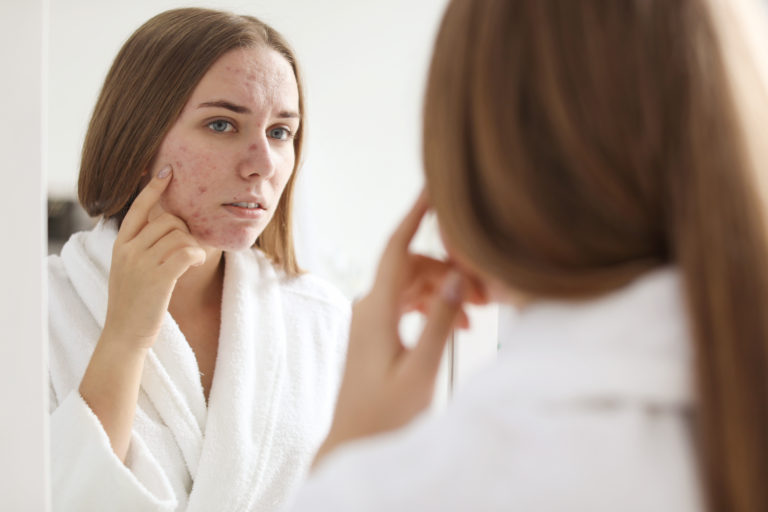
  • Open sores: BCC often presents as a sore that continuously oozes or crusts, with no sign of healing.
  • Reddish patches: Raised, red, and irritated patches on the skin may indicate the presence of BCC.
  • Shiny bumps: Translucent, shiny bumps with visible blood vessels may appear on the skin, resembling a pearly or waxy nodule.
  • Scar-like areas: BCC can develop as flat, firm, pale, or yellow, similar to a scar.

HOW DANGEROUS IS BASAL CELL CARCINOMA?​

Although characterized by a slow growth rate and a lower tendency to metastasize, Basal Cell Carcinoma should not be underestimated. If left untreated, this form of skin cancer has the potential to inflict considerable harm. In rare instances, Basal Cell Carcinoma can infiltrate adjacent tissues, resulting in disfigurement or functional impairment. This underscores the critical importance of early diagnosis and timely intervention.

Identifying and addressing Basal Cell Carcinoma in its early stages minimizes the risk of complications and enhances the efficacy of subsequent treatments. Regular skin examinations and prompt consultation with a dermatologist are essential components of a proactive approach to managing this condition and preserving overall skin health.

Best Practices for Preventing Basal Cell Carcinoma

In Fort Lauderdale, the climate means year-round sun exposure. Preventing Basal Cell Carcinoma involves a multi-faceted approach, including the use of high-SPF sunscreens, wearing hats and sunglasses, and seeking shade during peak sun hours. Fort Lauderdale dermatologists advise all locals to develop daily sun protection habits to minimize risk.

The best way to prevent BCC is to shield your skin from UV radiation. Here are some tips:

  • Seek shade, especially between 10 am and 4 pm, when the sun’s rays are strongest.
  • Wear protective clothing, such as a hat with a broad brim and long-sleeved clothing.
  • Use sunscreen with an SPF of 30 or higher and reapply it every two hours, or more often if you are sweating or swimming.
  • Avoid tanning beds.
  • Get regular skin exams from a dermatologist.

What are the Treatment Options for Basal Cell Carcinoma?

There are several different treatments for BCC, depending on the size, location, and depth of the tumor. Some common treatments include:

  • Excision: Surgically removing the cancerous tissue while preserving as much healthy skin as possible.
  • Mohs surgery: A precise surgical technique that removes layers of skin one at a time, minimizing damage to surrounding healthy tissue.
  • Cryotherapy: Freezing cancer cells with liquid nitrogen, causing them to fall off over time.
  • Curettage and electrodesiccation: This procedure uses a scraping tool to remove the cancer cells, followed by cauterization to stop bleeding.
  • Radiation therapy: This uses high-energy rays to kill cancer cells.
  • Topical medications: Prescription creams or gels that target and destroy cancer cells.

Who is Suitable for Treatments for Basal Cell Carcinoma?

Everyone with a BCC diagnosis should seek treatment, but specific options depend on your unique case:

  • Tumor: Size, location, and growth rate all influence the best options.
  • You: Age, health, risk tolerance, and cosmetic concerns matter.

Our board certified dermatologists will assess your case to determine the most suitable treatment. Factors considered include the size and location of the cancer, your overall health, and any potential side effects associated with the chosen treatment. A consultation with a dermatologist is recommended to discuss your options and create a personalized plan tailored to your needs.

What to Do If You Notice Symptoms of Basal Cell Carcinoma in Fort Lauderdale

If you notice unusual changes in your skin, such as growths, sores, or unusual spots, it’s important to schedule an appointment with a Fort Lauderdale dermatologist. Many BCCs are treatable with early intervention, so it’s crucial to seek medical advice if you observe signs that concern you.

Take the first step towards healthier skin by scheduling a consultation with Ayana Dermatology & Aesthetics. Our team of experienced dermatologists is dedicated to providing personalized care and effective solutions for Basal Cell Carcinoma and other medical skin conditions. During your consultation, we will assess your condition, answer any questions you may have, and discuss the best course of action for your specific case.

before & after photos

customer love

Our Reviews Speak for Themselves

Frequently asked questions

BCC is generally localized and rarely spreads to other areas. However, early intervention is crucial to prevent complications.
In most cases, BCC is not painful. However, any changes in your skin, including the development of sores or bumps, should be promptly evaluated by a dermatologist.
Recovery time varies depending on the chosen treatment method. Your dermatologist will provide you with detailed post-treatment instructions and follow-up care.
Basal cell carcinoma (BCC) most commonly appears on areas of the skin that are frequently exposed to the sun, such as the face, neck, ears, scalp, shoulders, and back. It is especially common on the face, including the nose, eyes, and temples. BCC can develop almost anywhere on the body, but sun-exposed areas are most at risk.
While Basal Cell Carcinoma is the least dangerous form of skin cancer and rarely spreads to other parts of the body, it is important not to ignore it. If left untreated, it can grow deep into the skin and cause disfigurement or damage to surrounding tissue. Early detection and treatment are key to preventing complications, so if you suspect you have BCC, you should see a dermatologist as soon as possible.
If a Basal Cell Carcinoma (BCC) is not completely removed, it can continue to grow and invade deeper layers of the skin. While it is unlikely to spread to other parts of the body, untreated BCC can cause significant local damage, leading to scarring, disfigurement, or impairment of the affected area. Timely removal is important to prevent these complications and ensure effective treatment.
Basal Cell Carcinoma rarely spreads (metastasizes) to other parts of the body, but it can invade surrounding tissues if left untreated. Signs that the BCC has grown deeper into the skin or surrounding tissues include persistent or worsening pain, the growth becoming more irregular, or the tumor spreading beyond its original site. If you notice any of these signs, it’s important to consult with a dermatologist for further evaluation and treatment.
While Basal Cell Carcinoma grows slowly, it is not advisable to leave it untreated for an extended period. The longer a BCC remains untreated, the deeper it can grow into the skin, making it more difficult to remove and possibly leading to disfigurement or damage to underlying tissues. It is best to seek medical advice as soon as you notice symptoms, such as new growths or sores that don’t heal, to ensure timely treatment and prevent complications.
Rate us 1-5

Book an Appointment

Celebrate Mom:

Exclusive Mother's Day Offer!

free cosmetic consultation
+
$200 off Botox treatment

Fill out the information below to also receive 25% off your next facial treatment 

*Treatment must be scheduled with cosmetic appointment deposit by 5/15/24

*Treatment must be completed by 6/30/24

Skip to content