
Herpes Simplex Treatment in Fort Lauderdale, FL

Medical Condition

What is Herpes Simplex?

Herpes simplex is a viral infection caused by the herpes simplex virus (HSV). There are two main types—HSV-1, commonly associated with oral herpes, and HSV-2, typically linked to genital herpes. Both types can cause sores on various parts of the body, leading to recurrent outbreaks.

Who Might Get Herpes Simplex? Exploring Risk Factors

Certain factors increase the likelihood of contracting herpes simplex:

  • Close Contact: The virus spreads through direct contact with an infected person, making those in close relationships more susceptible.
  • Weakened Immune System: Individuals with compromised immune systems may experience more frequent and severe outbreaks.
  • Age: Young adults and adolescents are at a higher risk due to factors like social behaviors and increased susceptibility.

Spotting Herpes Simplex Symptoms: Recognizing Early Signs

Identifying symptoms early on is crucial for timely intervention. Common signs include:
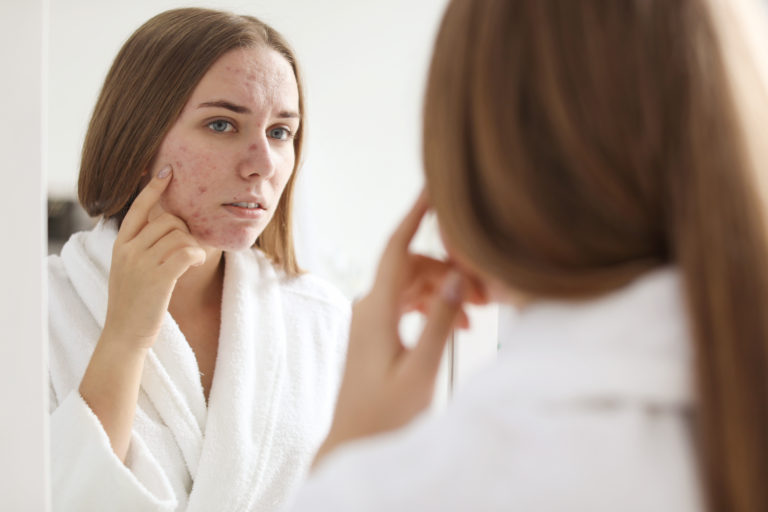
  • Painful Sores: Fluid-filled blisters that can appear on the mouth, lips, genitals, or other areas.
  • Itching and Tingling: Sensations often precede the development of visible sores.
  • Flu-Like Symptoms: Fever, headache, and fatigue may accompany outbreaks.
  • Oral herpes: Tingling or burning sensation around the mouth, followed by small, fluid-filled blisters that develop into scabs.
  • Genital herpes: Tingling or itching in the genital area, followed by blisters that erupt and eventually crust over.
  • Painful urination: In cases of genital herpes.
  • Swollen lymph nodes: Near the infected area.

What Causes Herpes Simplex Outbreaks?

Even when the herpes simplex virus lies dormant in the body, certain triggers can prompt its reactivation, leading to outbreaks. Understanding these factors is crucial for managing and minimizing the recurrence of symptoms:

  • Stress: Emotional or physical stress can act as a significant trigger. Stressors such as work pressure, personal challenges, or major life events can weaken the immune system, making individuals more susceptible to herpes simplex outbreaks. Incorporating stress-reduction techniques into one’s routine may help mitigate this trigger.
  • Illness: The onset of illnesses, particularly those accompanied by fever, can catalyze herpes simplex outbreaks. When the body is already combating another infection, the immune system may struggle to keep the herpes simplex virus in check, leading to the reemergence of symptoms.
  • Menstrual Cycle: Hormonal fluctuations during the menstrual cycle can influence the likelihood of herpes simplex outbreaks, especially in women. The shifts in estrogen and progesterone levels may create an environment conducive to the reactivation of the virus. Monitoring these hormonal changes and adopting preventive measures may assist in managing outbreaks.
  • Friction: Physical friction, whether from sexual activity or tight clothing, can trigger herpes simplex outbreaks in some individuals. The irritation caused by such friction may stimulate the reactivation of the virus, resulting in the development of sores. Practicing safe sex and choosing comfortable, breathable clothing can help minimize this particular trigger.

Duration of Herpes Simplex Sores: How Long Do They Last?

Outbreak duration varies depending on individual factors, type of virus, and treatment, but typically lasts:

  • Oral herpes: 7-10 days without treatment, potentially shorter with medication.
  • Genital herpes: 2-4 weeks without treatment, potentially shorter with medication.

How is Herpes Simplex Diagnosed?

Dermatologists diagnose herpes simplex through:

  • Medical history and physical examination: Discussing symptoms and examining the affected area.
  • Swab test: Collecting a sample from the blisters for viral testing.
  • Blood test: Detecting the presence of antibodies against the herpes simplex virus.

Effective Herpes Simplex Treatment

Management strategies include:

  • Antiviral Medications: Reducing the severity and duration of outbreaks.
  • Pain Relievers: Over-the-counter medications to alleviate discomfort.
  • Topical Creams: Soothing creams may be recommended for localized relief.

Reducing the Risk of Herpes Simplex: Practical Tips

Minimizing the risk involves:

  • Avoid sharing personal items: This includes utensils, razors, or towels.
  • Practice safe sex: Use condoms consistently during oral and genital sex.
  • Disclose your status: Open communication with partners is crucial for preventing transmission.
  • Reduce stress: Stress management techniques like yoga or meditation can help control outbreaks.
  • Maintain a healthy lifestyle: Eating a balanced diet, getting enough sleep, and exercising regularly can strengthen your immune system.

Schedule a Consultation

For personalized evaluation and guidance, schedule a consultation with Ayana Dermatology & Aesthetics. Our experienced dermatologists will assess your medical condition, identify contributing factors, and tailor a treatment plan to your unique needs.

customer love

Our Reviews Speak for Themselves

Frequently asked questions

There is currently no cure for herpes simplex, but effective management strategies can significantly reduce outbreaks and their impact.
Yes, the virus can be transmitted even in the absence of visible symptoms, highlighting the importance of safe sex practices and open communication with partners.
Absolutely! With proper management and open communication, herpes simplex does not have to limit your life. Many individuals successfully manage the condition and enjoy fulfilling relationships and lifestyles.
Several reputable organizations offer information and support, such as the American Sexual Health Association and the National Herpes Foundation. Ayana Dermatology & Aesthetics is also here to provide expert guidance and compassionate care.
Rate us 1-5

Book an Appointment

Celebrate Mom:

Exclusive Mother's Day Offer!

free cosmetic consultation
+
$200 off Botox treatment

Fill out the information below to also receive 25% off your next facial treatment 

*Treatment must be scheduled with cosmetic appointment deposit by 5/15/24

*Treatment must be completed by 6/30/24

Skip to content